
Starting to run after 40: a realistic guide to the first months
Recreational running is associated with lower knee and hip arthritis rates than a sedentary life, and the walk-run method is the standard way in.
Training for female bodies: resistance work and bone density, pelvic floor rehabilitation, exercise in pregnancy, adaptation through hormonal change.
Recreational running is associated with lower knee and hip arthritis rates than a sedentary life, and the walk-run method is the standard way in.

The official RDA is 0.8 grams per kilogram per day, but sports-nutrition bodies attribute higher intakes — roughly 1.2 to 2.0 g/kg — to people who train.
Physical activity reliably improves sleep, mood, and function through menopause — but the evidence says it does not reduce hot flashes themselves.
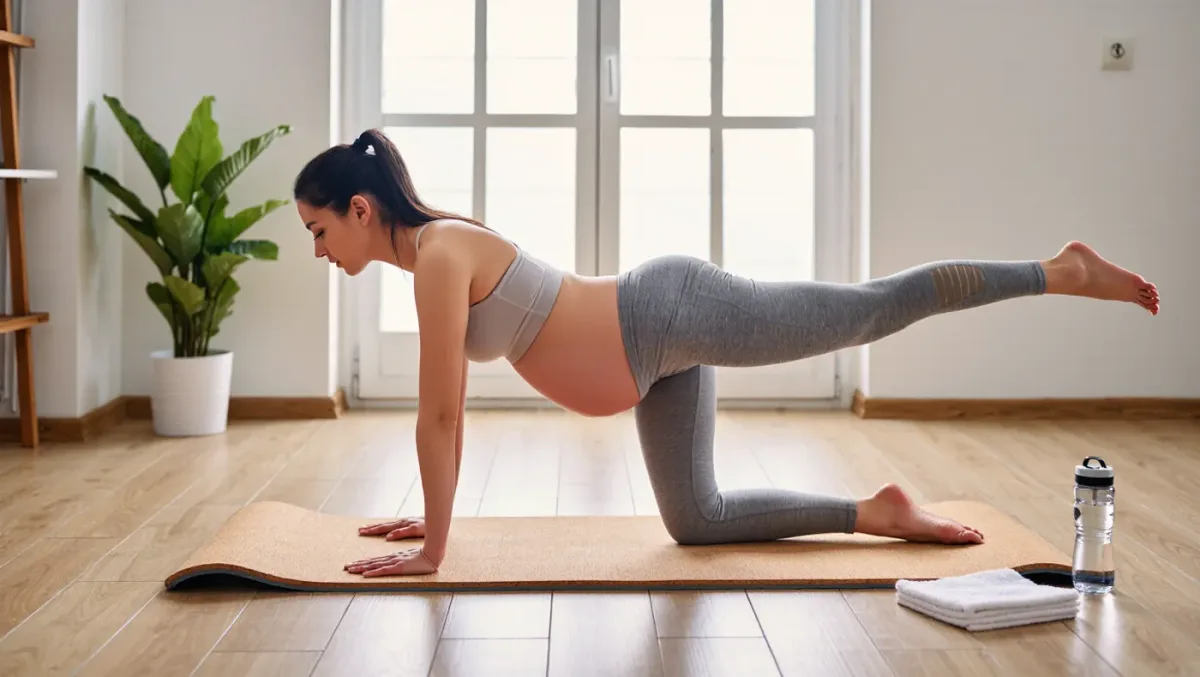
Per ACOG, moderate exercise in pregnancy is encouraged for most people — and core work is about breath, posture, and the pelvic floor more than crunches.

Interval training buys time efficiency and slightly larger fitness gains per minute; steady cardio buys volume, ease, and sustainability.
What WHO and US guidelines actually ask for, what counts as cardio, and where the floor and the ceiling sit.